


Installing a metal chip compactor machine can improve your scrap management, reduce the volume of material to be handled and help recover cutting fluids. To achieve these results, however, it is important to understand your workshop’s needs before choosing a machine.
Here are five common mistakes to avoid, along with practical advice to help you make the right choice.
1. Do not start from the actual volumes of chips
One of the most common mistakes is choosing the compactor based on rough estimates, without knowing the amount of chips produced during the normal work cycle.
An undersized machine may not be able to handle the volumes generated, especially during peak production times, causing buildup and slowdowns. On the contrary, an oversized solution can be an unnecessary investment compared to the actual needs.
How can you avoid this? It is important to check the amount of chips produced per shift, understanding the contribution of individual machine tools and any changes in volumes during the day. These data allow us to identify a correct compaction capacity for current production, also considering possible future developments.

2. Ignore the type of chip and the material being processed
Not all chips can be handled in the same way. Aluminium, steel and cast iron have different characteristics, just as needs change depending on the shape and size of the chips.
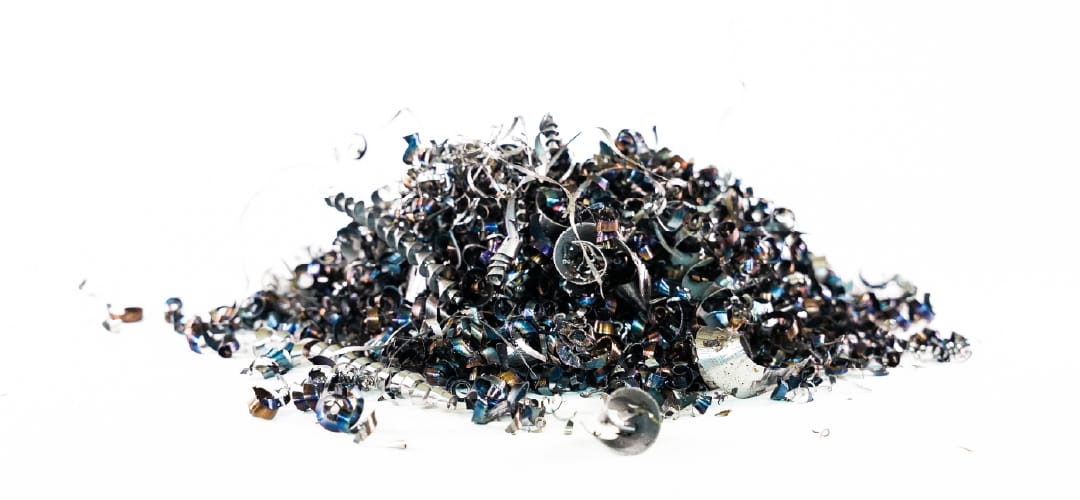
A long, curled chip, for example, has different characteristics than a short, small one. The quantity of coolant present is also an important factor, especially when liquid recovery is one of the aims of the installation.
How can you avoid this? Before choosing the machine, it is necessary to analyze the processed materials, the type of chip and the conditions under which it is produced.
3. Lacking Workshop Space and Layout
The choice of a chip compactor does not only concern the technical characteristics of the machine. Its location within the workshop also affects the efficiency of the process.
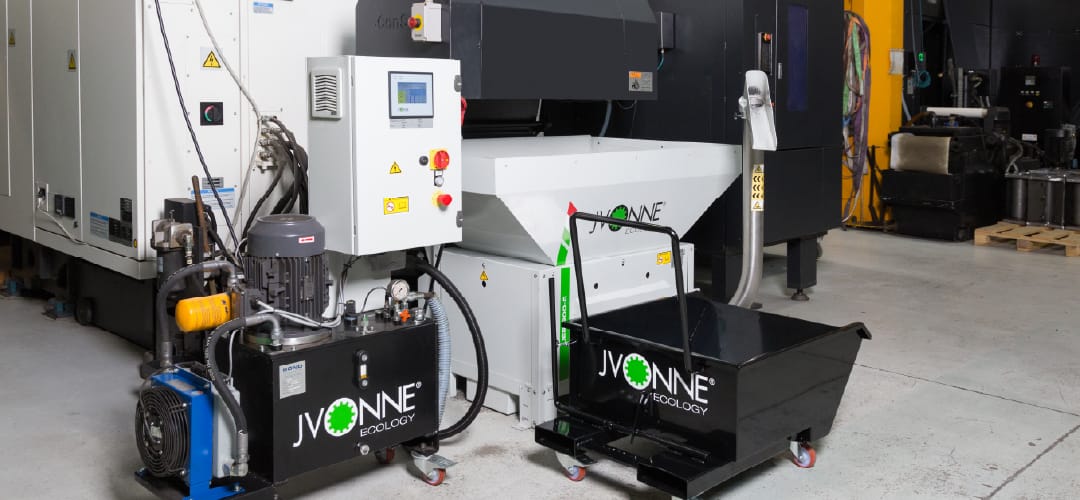
In addition to the overall dimensions, accessibility for loading and maintenance operations, the necessary connections, and the spaces to collect and handle the briquettes produced must be considered. A less functional position can complicate daily activities.
How can you avoid this? Before purchasing, it is advisable to analyze the layout and movement flows. At this stage, it is useful to understand if a stand-alone solution is needed for a single machine tool, or a centralized solution, which is able to handle chips coming from multiple machining centers.
4. Focusing on the Purchase Price only
The initial cost is important, but it is not enough to determine whether a chip compactor represents a cost-effective investment. To assess the overall economic benefit, the costs incurred in managing waste must also be considered.
Reducing volumes can affect handling, storage, transportation, and disposal costs. Added to these aspects are the possible recovery of the cooling lubricant and the possible commercial valorization of the briquettes.
How can you avoid this? The comparison must start from current costs and estimate what the savings might be after installation. This way, you can evaluate your return on investment (ROI) and estimate your return times, based on the company’s actual conditions.
5. Do not check the performance on your chips
Choosing a compactor based only on datasheets and performance may not be enough. To understand if a machine is really suited to your needs, it is important to check how it performs with the chips actually produced in the workshop.
The type of material, the shape of the chips and the presence of coolant lubricant can influence the compaction result. Testing the machine with its own chips allows you to concretely understand the performance process and liquid recovery, gathering useful information before making a purchasing decision.
How can you avoid this? Before buying, request a test with your chips. It is the most tangible way to check the feedback of the material and find the solution that best suits the needs of your workshop.

Jvonne offers two ways to test its chip compactor machines: try the machine directly at your workshop or send your chips to our facility for testing.
In both cases, you consider the compaction process and cutting fluid recovery under real conditions, helps you identify the most suitable solution for your needs.
A conscious choice for more efficient management
Choosing a compactor means considering several things: chip quantity and characteristics, space organization, operating costs, and functional procedures. Avoiding even one of these aspects can compromise the expected results.
Analyzing production and verifying the solution before purchasing allows you to make a more conscious choice and integrate the compaction process into your production system effectively.
Would you like to understand the options available for your workshop? Contact us to find the best solution that suits your needs.


